
Living with a chronic health condition often means managing symptoms over a long period. Conditions such as arthritis, digestive disorders, respiratory concerns, skin problems, and lifestyle-related illnesses can affect daily routines and overall quality of life. While conventional medical care plays a vital role in diagnosis and treatment, many individuals also explore Ayurvedic Treatment for Chronic Diseases as a complementary approach to improving overall well-being under the guidance of qualified practitioners.
Ayurveda, one of India's traditional systems of medicine, emphasizes understanding the root cause of health imbalances rather than focusing only on symptoms. It adopts a personalized approach that considers an individual's body constitution, lifestyle, dietary habits, and overall health status before recommending treatment.
What Are Chronic Diseases?
Chronic diseases are health conditions that usually develop gradually and require long-term management. Unlike acute illnesses, they often persist for months or years and may require ongoing lifestyle modifications and medical supervision.
Some commonly encountered chronic conditions include:
- Arthritis and joint disorders
- Chronic digestive problems
- Respiratory conditions
- Skin disorders
- Migraine and recurrent headaches
- Stress-related health concerns
- Metabolic disorders
- Musculoskeletal pain
Every individual's condition is unique, which is why personalized assessment is an important part of long-term healthcare planning.
How Does Ayurveda Approach Chronic Conditions?
Ayurveda views health as a balance between the body, mind, and environment. Instead of following a one-size-fits-all approach, Ayurvedic physicians evaluate multiple aspects before preparing a treatment plan.
The assessment may include:
- Individual body constitution (Prakriti)
- Current health imbalance
- Dietary habits
- Sleep patterns
- Lifestyle factors
- Stress levels
- Digestive health
- Medical history
Based on this evaluation, a customized treatment plan may be recommended.
Components of Ayurvedic Treatment
Depending on the patient's condition and clinical evaluation, Ayurvedic treatment may include one or more therapeutic approaches.
These commonly include:
Herbal Medicines
Traditional Ayurvedic formulations may be prescribed according to the individual's diagnosis and health requirements. These medicines should always be taken under the supervision of qualified Ayurvedic practitioners.
Dietary Guidance
Food plays an important role in Ayurveda. Patients often receive personalized dietary recommendations based on their health condition, digestion, and body constitution.
Lifestyle Modifications
Simple changes in daily routines, sleep habits, physical activity, and stress management are often included to support long-term wellness.
Panchakarma Therapy
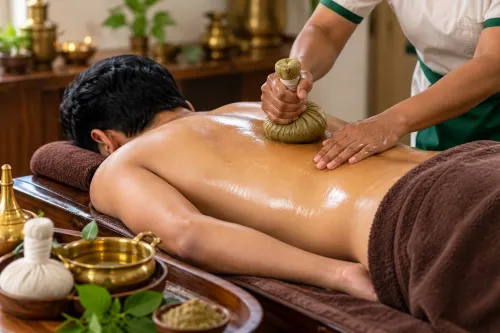
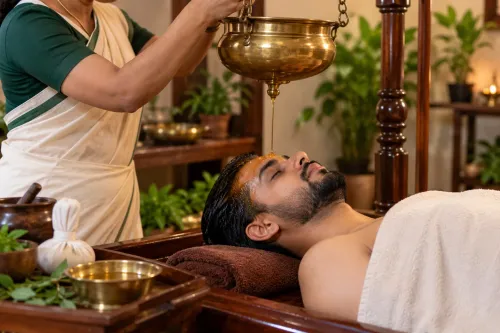
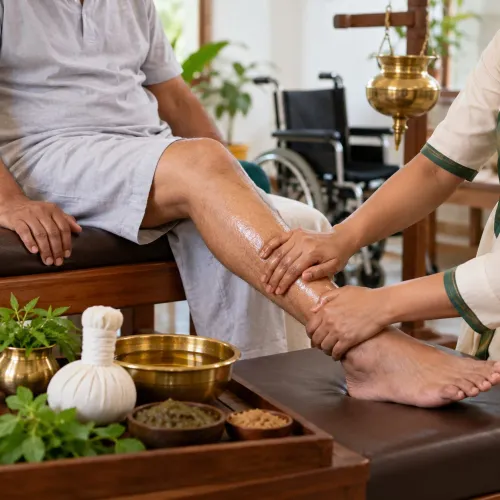
In selected cases, Panchakarma therapies may be recommended after proper medical evaluation. These procedures are intended to support detoxification and overall balance and are always performed under professional supervision.
Yoga and Relaxation Practices
Yoga, breathing exercises, and meditation may also be suggested to improve flexibility, relaxation, and emotional well-being as part of an integrated healthcare plan.
Benefits of a Holistic Approach
Although treatment outcomes vary from person to person, Ayurveda focuses on improving overall health rather than addressing only isolated symptoms.
A holistic approach may help support:
- Better lifestyle habits
- Improved digestion
- Stress management
- Enhanced mobility
- Overall wellness
- Healthy daily routines
- Preventive healthcare awareness
Patients should continue consulting their healthcare providers and should not discontinue prescribed medications without medical advice.
When Should You Consider Ayurvedic Consultation?
Individuals may choose to consult an Ayurvedic physician when they:
- Experience recurring health concerns
- Want guidance on healthy lifestyle practices
- Are interested in preventive healthcare
- Wish to complement existing medical care
- Need long-term wellness planning
- Seek personalized dietary recommendations
A qualified practitioner evaluates each patient's medical history before suggesting appropriate therapies.
Importance of Professional Guidance
Ayurvedic treatment should always begin with a proper clinical consultation. Self-medication or following generalized remedies available online may not be suitable for every individual. A detailed assessment helps determine the most appropriate treatment plan based on age, health condition, body constitution, and existing medical history.
Professional supervision is especially important for individuals with chronic illnesses who are already receiving treatment from other healthcare specialists.
Growing Interest in Ayurveda in Nagpur
Awareness about holistic healthcare has increased significantly across Maharashtra. In cities like Nagpur, many people are exploring Ayurveda alongside healthy lifestyle practices as part of long-term wellness planning. Educational institutions and healthcare centres are also contributing to greater understanding of traditional medical systems through structured learning and patient education.
Chakrapani Panchakarma Yoga Nisargopchar College promotes education in Ayurveda, Panchakarma, yoga, and naturopathy while helping students understand traditional healthcare principles through academic and practical training. Individuals interested in learning more about Ayurvedic education and wellness programs can visit chakrapanicollege.org for additional information.
Ayurvedic Treatment for Chronic Diseases focuses on individualized care, lifestyle improvement, and long-term health management rather than quick fixes. When guided by qualified professionals and integrated responsibly with modern medical care where appropriate, Ayurveda can become an important part of a comprehensive approach to maintaining health and improving overall quality of life.
Keywords