Ayurvedic care can support healthier routines, stress management and nutrition, but it must sit alongside glucose monitoring and prescribed diabetes treatment. You will learn how to coordinate practitioners, medicines, food, exercise and monitoring while recognising unsafe products, treatment claims and symptoms that need urgent medical attention.
Key takeaways
- Never stop insulin or prescribed diabetes medicine without your doctor.
- Share every herb and Ayurvedic treatment with your diabetes care team.
- Track glucose when changing diet, exercise or complementary treatment.
- Seek urgent care for severe low glucose, vomiting or confusion.
Where Ayurvedic Care Fits in Diabetes Treatment
Ayurvedic treatment for diabetes belongs alongside, not instead of, proven medical treatment. Do not stop insulin, metformin, or another prescribed medicine because your glucose improves briefly or an Ayurvedic practitioner advises it. Uncontrolled hyperglycaemia can damage the eyes, kidneys, nerves, heart and feet.
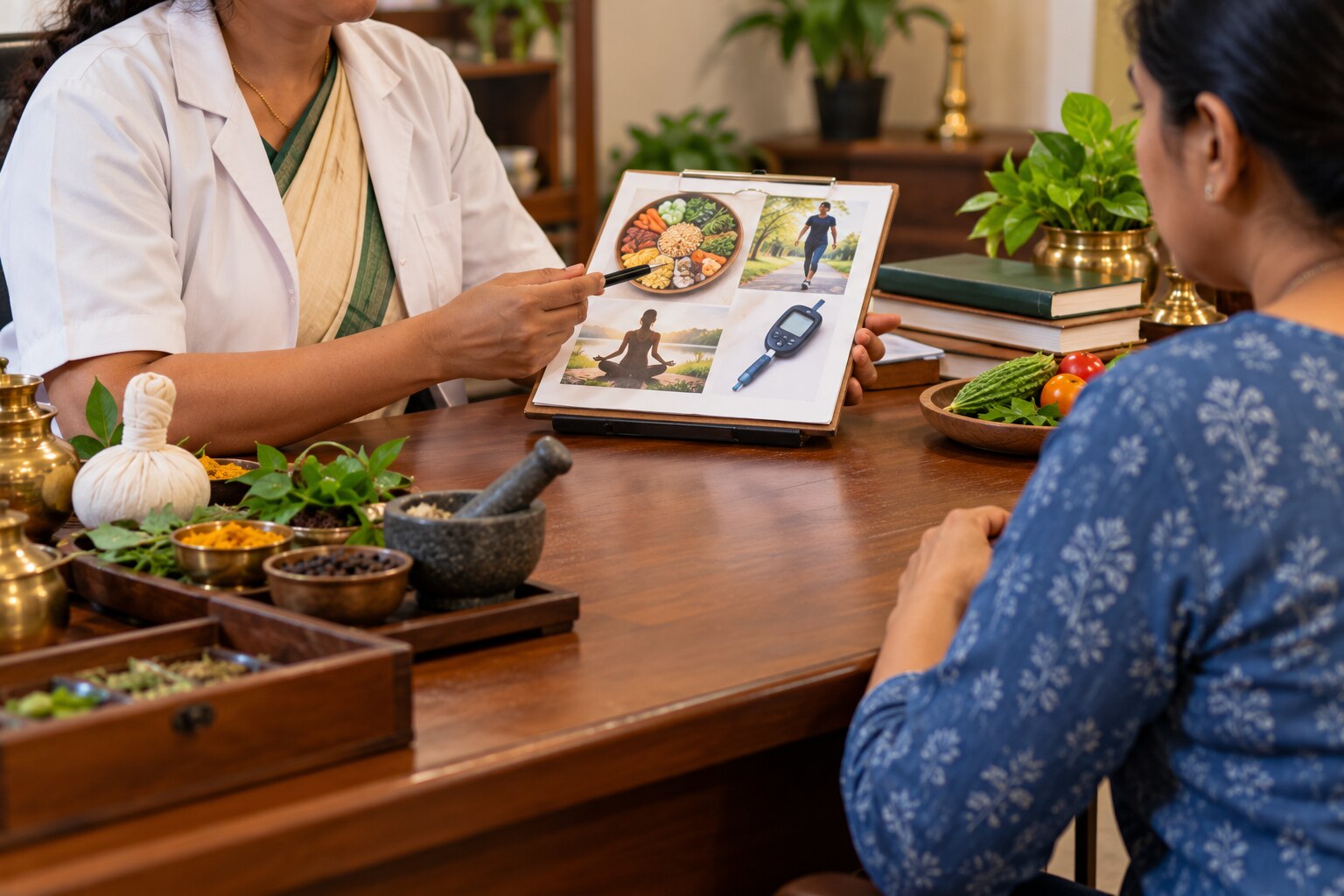
Complementary diabetes care can support practical habits and wellbeing through:
- Food guidance that reduces sugary drinks and refined snacks while managing carbohydrate portions and adding vegetables, pulses, whole grains, nuts and adequate protein.
- Yoga or other suitable activity to support mobility, sleep and stress control; it does not replace glucose-lowering therapy or prove that diabetes has been reversed.
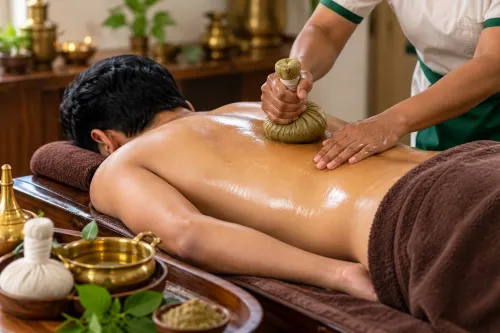
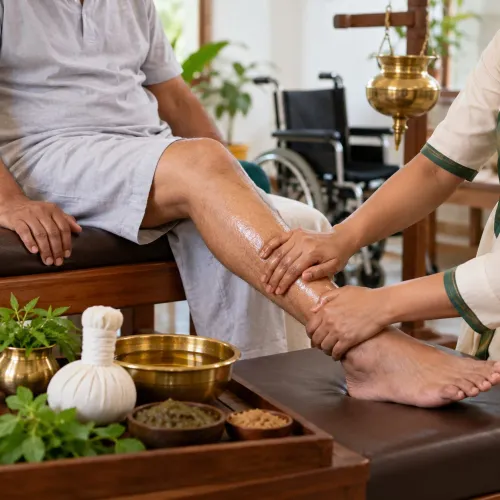
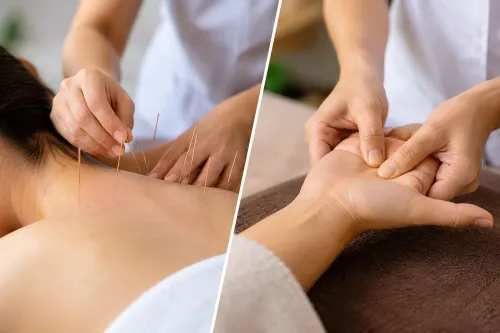
- Massage or foot practices only after checking for neuropathy, reduced blood flow, ulcers, infection or loss of protective sensation.
Treat prolonged fasting, severe carbohydrate restriction and “detox” regimens as safety risks unless your medical team supervises them. They can cause dehydration, malnutrition, hypoglycaemia or dangerous ketosis. If you have type 1 diabetes, never stop basal insulin during fasting.
Keep checking glucose while adding Ayurvedic care. Home readings can expose low glucose or post-meal rises that HbA1c misses; review HbA1c and kidney function with your clinician. Seek urgent care for severe low glucose with confusion, seizure or inability to swallow, or very high glucose with vomiting, abdominal pain, deep breathing or marked drowsiness.
How to Coordinate Ayurvedic Care with Your Doctor
Bring one shared record to both appointments. Include your diabetes type, pregnancy status, allergies, glucose monitoring log, insulin or other diabetes medicines with doses and timing, blood pressure readings, HbA1c result, kidney function results, cholesterol results, and known eye, nerve, heart or foot problems.
1. Give the Ayurvedic practitioner your complete medical list before treatment. Name every herb and formulation, including powders, decoctions, tablets, oils, tonics and “sugar-free” products. Show labels or photographs; honey, jaggery, dates and fruit concentrates still count as carbohydrate.
2. Give your doctor and pharmacist the same list before starting or changing anything. Herbs can lower glucose, affect the liver, alter bleeding risk or interact with diabetes medicines. Never reduce or stop insulin, metformin or another prescription without the prescribing clinician.
3. Agree on glucose monitoring after each new product, fasting change, intensive yoga plan or dietary restriction. Record readings, meals, exercise, symptoms and missed doses so the team can identify hypoglycaemia or worsening control.
4. Set the next review before you leave. Ask who will order HbA1c and kidney function tests, when results will be reviewed, and which clinician will change medicines; repeat testing at the interval your doctor sets, especially after treatment changes.
Seek urgent help for confusion, seizure or unconsciousness with low glucose, or very high glucose with vomiting, abdominal pain, deep breathing or confusion. Share foot wounds immediately; massage or oils must not delay medical assessment.
Food, Exercise and Daily Habits That Make Treatment Safer
Build a diabetes diet around vegetables, pulses, whole grains, nuts and minimally processed foods. Control carbohydrate portions at each meal, and pair them with fibre and protein to reduce sharp glucose rises. Replace sugar-sweetened drinks and refined snacks; “natural,” “sattvic” or Ayurvedic labels do not make a food low in carbohydrate.
Alcohol can cause delayed hypoglycaemia, especially with insulin or sulfonylureas, so ask your clinician whether to avoid it.
- Keep meal times consistent if your medicine or insulin schedule depends on food.
- Record glucose readings when changing food, fasting, or activity; dietary changes can require medicine adjustment.
- Aim for regular walking and resistance training, alongside adequate sleep, stress-management practice and smoking cessation.
- Inspect both feet daily. Do not massage an area with numbness, a blister, cut, redness, warmth, swelling, discharge or a slow-healing wound.
| Situation | Main risk | Safer action |
|---|---|---|
| Insulin or sulfonylurea use | Exercise-related hypoglycaemia | Agree on glucose checks, food and medicine timing with your clinician |
| Neuropathy or reduced blood flow | Unnoticed foot injury | Use protective footwear and obtain medical review for any wound |
| Retinopathy or heart disease | Strain or excessive exertion | Get exercise clearance and avoid sudden intense training |
| High glucose with ketones | Dangerous metabolic deterioration | Do not exercise; seek urgent medical care |
Never stop insulin, metformin or another prescribed medicine because readings improve temporarily. Seek urgent help for severe low glucose with confusion, seizure or inability to swallow, or high glucose with ketones, vomiting or difficult breathing.
How to Choose an Ayurvedic Practitioner and Compare Care Options
Choose a qualified Ayurvedic practitioner who asks for your diagnosis, medicines, glucose readings, HbA1c, kidney results and complication history before suggesting treatment. Ask for their recognised qualification, registration details, written plan, herb ingredients and follow-up schedule. Do not stop insulin, metformin or another prescribed medicine without the prescribing clinician.
- Reject care that promises to reverse diabetes, replaces medical reviews, or recommends fasting, severe carbohydrate restriction, detox regimens or unlabelled powders.
- Tell both teams about every herb, oil, supplement and therapy. “Sugar-free” does not mean carbohydrate-free: honey, jaggery, dates and fruit concentrates can raise glucose.
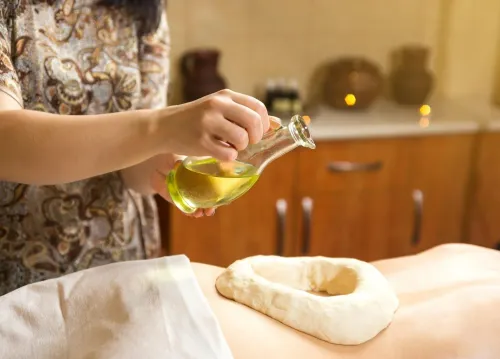
- Avoid foot massage, oils or poultices over ulcers, blisters, redness, swelling, warmth, discharge or loss of sensation. Arrange prompt medical assessment instead.
| Option | What it adds | When it fits |
|---|---|---|
| Ayurveda | Individualised diet, routines and adjunct therapies | When the plan is documented and coordinated with medical care |
| Yoga for diabetes | Movement, stress and sleep support | When postures are adapted for neuropathy, retinopathy, heart disease or hypoglycaemia risk |
| Naturopathy | Lifestyle-focused food, activity and relaxation guidance | When it avoids unsafe fasting and unproven cures |
| Nutrition counselling | Measurable carbohydrate portions, fibre and meal timing | When glucose changes follow diet or medicines need review |
| Physiotherapy | Safe strength, mobility and rehabilitation | When pain, weakness, balance problems or diabetes-related injury limit activity |
Chakrapani Panchakarma Yoga Nisargopchar College can help you compare training pathways, but a course title alone does not establish competence to manage diabetes. Ask who supervises clinical care and how referrals to a doctor are handled.
Related products
 | Diploma in Panchakarma and Message Technician Diploma in Panchakarma and Message Technician A Diploma in Panchakarma and Massage Therapy, often referred to as a Panchakarma and Massage Technician course, equips individuals with the knowledge... View product → |
 | Diploma Course in Naturopathy and Yogic Science ( DNYS ) Diploma Course in Naturopathy and Yogic Science ( DNYS ) The Diploma in Naturopathy and Yogic Science (DNYS) is a 1-3 year course that combines the study of naturopathy and yoga, focusing on natural healing... View product → |
Herbal Products, Panchakarma and Warning Signs to Take Seriously
A product labelled “detox,” “cure,” or “no side effects” is a warning sign, not proof of safety. Ayurvedic herbs and drug interactions matter because herbs and proprietary formulations can alter glucose, blood pressure, bleeding, or liver-processed medicines. Some products have contained toxic amounts of lead, mercury, or arsenic.
Share every powder, decoction, tablet, oil and supplement with your physician and pharmacist, and monitor glucose more closely after any change.
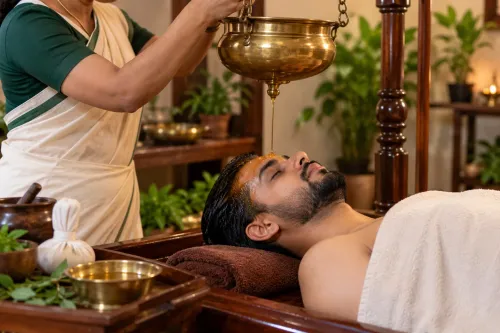
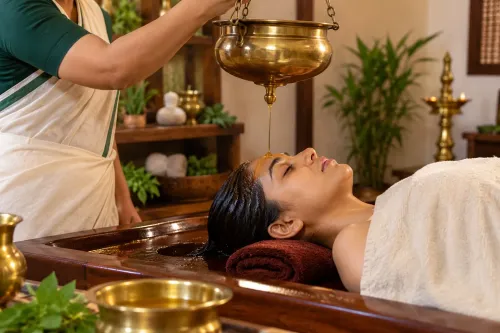
Fasting, severe carbohydrate restriction and Panchakarma can cause dehydration, malnutrition, hypoglycaemia or dangerous ketosis. Panchakarma safety requires medical supervision, especially with kidney or liver disease, pregnancy, older age, or glucose-lowering medicines. Never stop insulin; a person with type 1 diabetes must continue basal insulin even during fasting.
Do not stop metformin or another prescribed medicine because readings improve temporarily.
Seek urgent medical care for:
- Confusion, unconsciousness, sweating or suspected severe hypoglycaemia
- Vomiting, abdominal pain, deep or rapid breathing, fruity-smelling breath, or possible diabetic ketoacidosis
- Persistent very high glucose, extreme thirst, minimal urination, or severe dehydration
- Fever, spreading redness, warmth, swelling, discharge, or a new foot ulcer
- A blister, cut, or wound that is not healing, especially with reduced sensation
- Possible pregnancy-related diabetes
Oils, poultices, massage and fasting must not delay assessment. These warning signs can indicate diabetic ketoacidosis, hyperosmolar crisis, sepsis, or obstetric risk—not a condition to manage with herbs alone.
Frequently asked questions
Can Ayurvedic treatment replace diabetes medicines?
No. Use Ayurvedic care alongside prescribed treatment, and never stop insulin, metformin or another medicine without your doctor’s guidance.
How should you coordinate Ayurvedic care with your doctor?
Give your doctor a complete list of herbs, products, therapies and doses, and share glucose readings before changing treatment.
Which food, exercise and daily habits support safer diabetes care?
Follow a consistent meal pattern, choose high-fibre foods, exercise within your medical limits, check glucose as advised and inspect your feet daily.
What should you check before choosing an Ayurvedic practitioner or herbal product?
Check the practitioner’s qualifications, request a written treatment plan, verify product labels and batch details, and avoid products that promise to cure diabetes.
Related products
 | Diploma Course in Naturopathy and Yogic Science Diploma Course in Naturopathy and Yogic Science A Diploma in Naturopathy and Yogic Science (DNYS) is a one or two-year diploma course that combines the study of naturopathy and yogic science. View product → |
 | M.A in Yoga M.A in Yoga An M.A. (Master of Arts) in Yoga is a two-year postgraduate degree that focuses on the fundamentals of human consciousness and yogic science. |
 | Diploma in Yoga Application To apply for a Diploma in Yoga, generally you'll need to meet specific eligibility requirements, complete an application form, and pay an application... View product → |