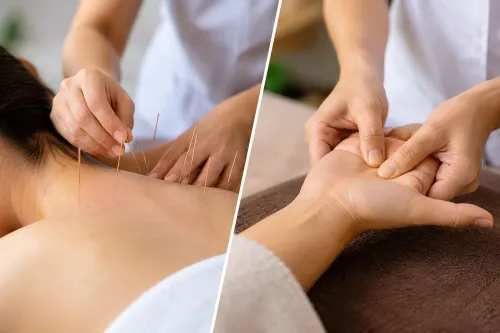
Pain can affect every aspect of daily life, from simple household activities to professional responsibilities and recreational pursuits. Whether it is persistent back pain, joint discomfort, muscle stiffness, or recurring neck pain, long-term discomfort often impacts physical mobility as well as emotional well-being. While identifying the underlying cause remains the first step in treatment, many people also explore Pain Management Treatment through Ayurveda as part of a comprehensive healthcare approach under qualified medical supervision.
Ayurveda focuses on restoring balance within the body rather than simply addressing discomfort. By combining personalized assessment, lifestyle modifications, herbal therapies, Panchakarma procedures when appropriate, yoga, and dietary guidance, Ayurvedic pain management aims to support long-term wellness.
What Is Pain Management?
Pain management refers to the medical process of evaluating, treating, and reducing pain while improving an individual's ability to perform daily activities. The treatment approach depends on several factors, including the cause, duration, severity, age, medical history, and overall health of the individual.
Pain may be classified into different categories such as:
- Acute pain following injury or surgery
- Chronic pain lasting several months
- Joint and arthritis-related pain
- Neck and shoulder pain
- Lower back pain
- Muscle pain
- Sports-related discomfort
- Nerve-related pain
A detailed medical evaluation helps determine the most appropriate treatment plan.
How Does Ayurveda Approach Pain Management?
According to Ayurvedic principles, pain may result from imbalances within the body's natural systems. Instead of offering the same treatment to every individual, Ayurvedic physicians assess multiple factors before preparing a personalized care plan.
During consultation, the physician may evaluate:
- Body constitution (Prakriti)
- Present health imbalance
- Lifestyle habits
- Physical activity levels
- Dietary routine
- Sleep quality
- Medical history
- Nature and duration of pain
This comprehensive assessment helps create an individualized treatment strategy rather than relying on generalized solutions.
Components of Ayurvedic Pain Management Treatment
Depending on the diagnosis and clinical findings, an Ayurvedic treatment plan may include one or more supportive therapies.
Herbal Medicines
Qualified Ayurvedic practitioners may prescribe herbal formulations based on the patient's individual condition. These medicines are selected after careful evaluation and should always be taken under professional supervision.
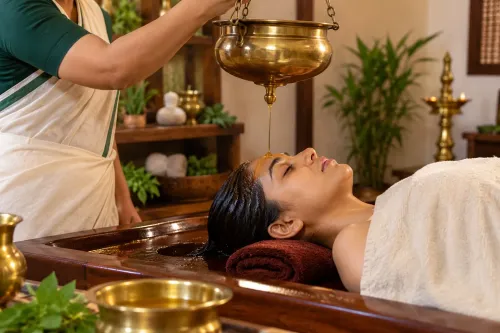
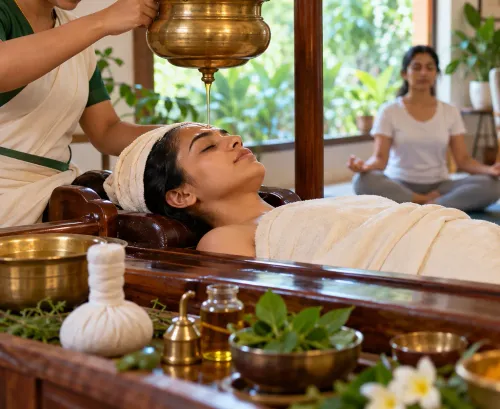
Panchakarma Therapies
For selected patients, Panchakarma procedures may be recommended as part of the treatment plan. Therapies such as Abhyanga, Swedana, Basti, and other traditional procedures are performed only after proper clinical assessment.
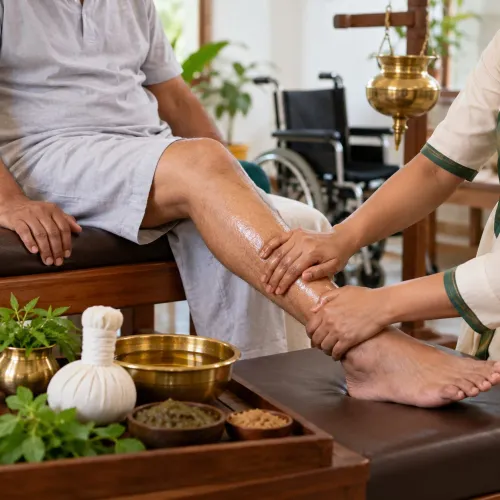
Therapeutic Massage
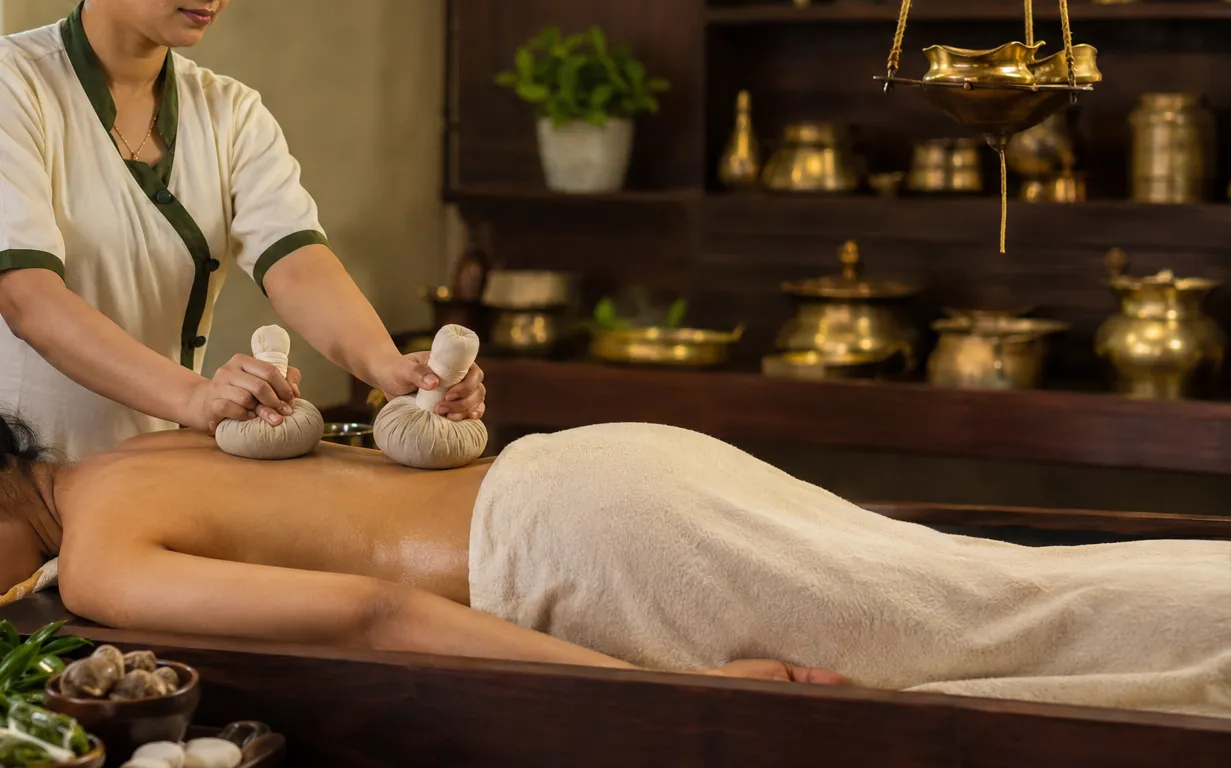
Medicated oils and specialized massage techniques are commonly used in Ayurveda to promote relaxation and improve mobility as advised by the treating physician.
Lifestyle Modifications
Daily routines, posture correction, adequate sleep, regular movement, and stress management often become important components of long-term pain management.
Yoga and Gentle Exercise
Appropriately guided yoga practices and stretching exercises may help improve flexibility, posture, and muscle strength while supporting overall physical wellness.
Common Conditions Where Ayurvedic Care May Be Considered
Individuals often seek Ayurvedic consultation for conditions such as:
- Osteoarthritis
- Cervical discomfort
- Lumbar pain
- Frozen shoulder
- Muscle stiffness
- Sciatica
- Sports injuries
- Age-related joint discomfort
Treatment recommendations always depend on individual clinical evaluation, and patients should continue consulting their healthcare providers regarding ongoing medical care.
Why Personalized Treatment Matters
Pain is rarely experienced in the same way by two individuals. Factors such as occupation, age, physical activity, body weight, stress levels, and existing medical conditions all influence treatment planning.
A personalized approach allows healthcare professionals to recommend therapies that are better suited to the patient's specific health profile rather than applying a standard treatment plan for everyone.
Regular follow-up also helps monitor progress and modify treatment whenever necessary.
Supporting Long-Term Wellness
Effective pain management often extends beyond temporary relief. Long-term improvement frequently involves healthy lifestyle habits, proper nutrition, physical activity, weight management, and stress reduction alongside appropriate medical treatment.
Patients are encouraged to:
- Maintain regular physical activity
- Follow medical advice consistently
- Avoid prolonged inactivity
- Practice proper posture
- Eat a balanced diet
- Get adequate sleep
- Attend scheduled follow-up consultations
These measures can contribute to better mobility and overall health.
Growing Interest in Holistic Healthcare in Nagpur
Across Maharashtra, including Nagpur, awareness about preventive healthcare and holistic wellness has increased considerably. Many individuals now seek integrative approaches that combine conventional medicine with evidence-informed traditional healthcare systems under qualified professional guidance.
Educational institutions such as Chakrapani Panchakarma Yoga Nisargopchar College contribute to this growing awareness by offering academic programs in Ayurveda, Panchakarma, Yoga, and Naturopathy. Students interested in understanding traditional healthcare principles can also explore chakrapanicollege.org for information about educational opportunities and training programs.
Pain Management Treatment through Ayurveda focuses on individualized care, healthy lifestyle practices, and long-term wellness. When provided by qualified practitioners and integrated responsibly with modern medical care where appropriate, it offers a comprehensive approach that supports better mobility, improved comfort, and overall quality of life.
Keywords